
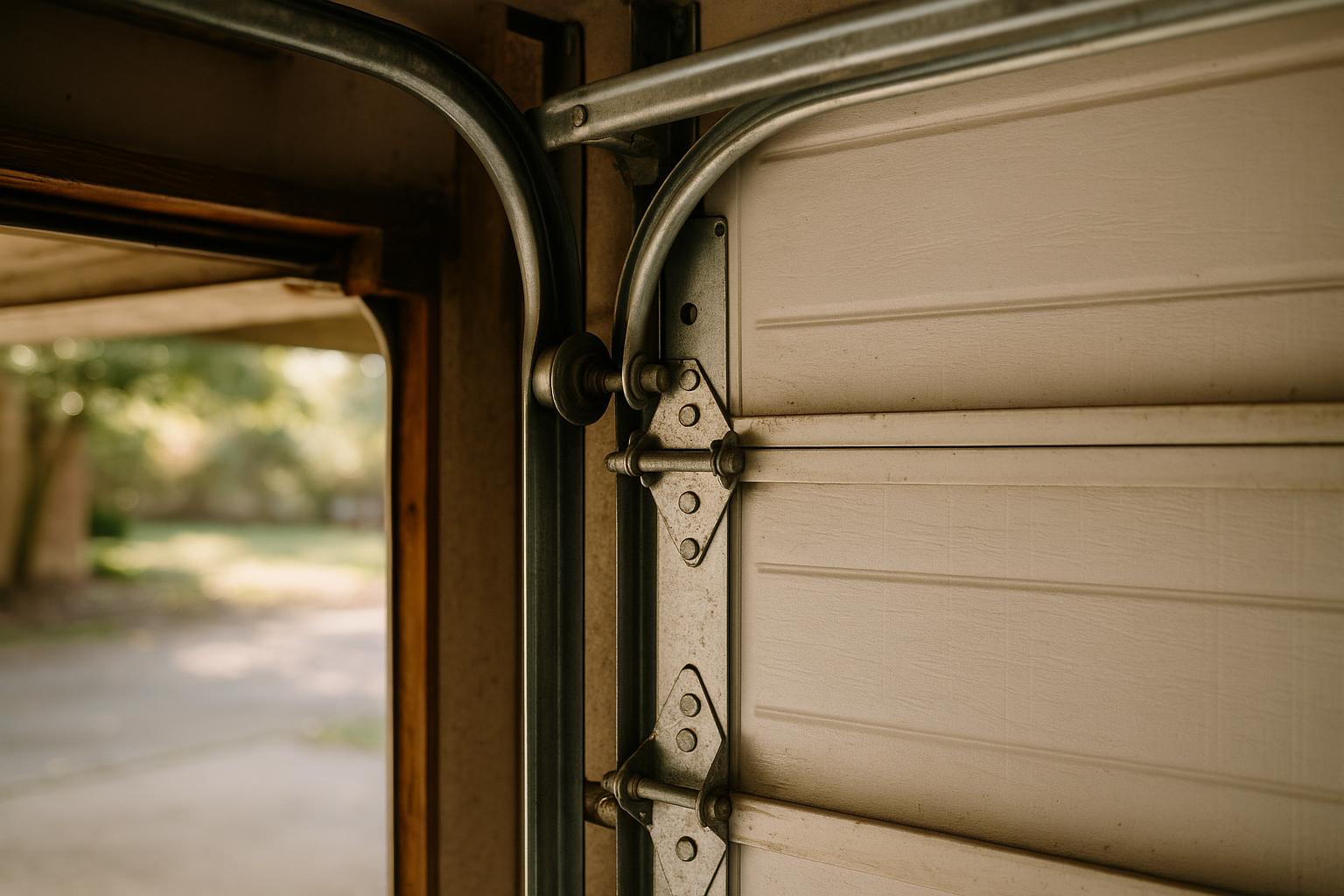
Your Garage Door Shouldn't Sound Like That
You press the button on your garage door opener, and instead of a smooth, quiet operation, you're greeted with grinding, squealing, popping, or rattling sounds that make you wince. If your garage door has started making noises that weren't there before, it's trying to tell you something.
Garage doors are mechanical systems with dozens of moving parts, and when any of those components start to wear down, loosen, or fail, unusual sounds are often the first warning sign. The good news is that most noisy garage door problems are fixable — especially when you catch them early. Here's a breakdown of the most common garage door noises homeowners in Elizabethtown deal with, what causes them, and what you should do about each one.
Squealing or Screeching Sounds
A high-pitched squeal or screech when your garage door opens or closes is one of the most common complaints we hear from homeowners. This sound usually points to one of two issues:
- Lack of lubrication: The rollers, hinges, and tracks on your garage door need periodic lubrication to operate smoothly. Over time, the lubricant dries out, and metal-on-metal contact creates that unmistakable screeching noise. This is especially common in Elizabethtown's humid summers, where moisture can accelerate the breakdown of lubricants.
- Worn rollers: If your garage door uses metal rollers, they can wear down over time and start squealing as they travel along the tracks. Nylon rollers are quieter and last longer, and upgrading to them is a relatively affordable fix.
In many cases, a thorough lubrication of all moving parts with a silicone-based garage door lubricant can eliminate the squealing entirely. If the noise persists after lubrication, the rollers or hinges themselves may need to be replaced.
Grinding or Scraping Noises
A grinding or scraping sound is more concerning than a squeal because it often indicates a mechanical problem that could worsen quickly. Common causes include:
- Misaligned tracks: If the metal tracks that guide your garage door become bent or shifted, the door can scrape against them as it moves. You might also notice the door moving unevenly or hesitating at certain points.
- Worn gear in the opener: Many chain-drive and belt-drive garage door openers use a plastic drive gear that can strip over time. When this gear starts to fail, you'll hear a grinding noise from the motor unit, and eventually the opener will stop lifting the door altogether.
- Debris in the tracks: Small rocks, dirt, leaves, and other debris can accumulate in the tracks, especially during fall and spring. This debris creates friction and grinding sounds as the rollers try to pass over it.
If you hear grinding, inspect the tracks visually for obvious bends, gaps, or debris. Cleaning the tracks with a damp cloth can help, but if the tracks are bent or the opener gear is failing, it's best to call a professional before the problem leads to a complete breakdown.
Loud Banging or Popping
A sudden bang or pop from your garage door can be startling. This type of noise is often related to:
- Torsion spring issues: The torsion springs above your garage door are under tremendous tension. As they age, they can start making popping or snapping sounds during operation. A loud single bang could mean a spring has broken entirely, which requires immediate professional repair.
- Panels flexing: On older or lightweight garage doors, the panels can flex and pop as the door changes direction. This is more of a nuisance than a danger, but it can indicate that the door is nearing the end of its lifespan.
- Loose hardware: The nuts, bolts, and brackets on your garage door can loosen over time due to the constant vibration of daily use. Loose hardware allows parts to shift and bang against each other during operation.
We recommend tightening all visible hardware with a socket wrench as part of your regular maintenance routine. However, never attempt to adjust or replace torsion springs yourself — the tension stored in these springs can cause serious injury. Spring repair should always be handled by a trained technician.
Rattling or Vibrating
A persistent rattle or vibration during operation usually means something is loose. The most common culprits are:
- Loose chain or belt: If your garage door opener uses a chain drive, the chain can loosen over time and slap against the rail, creating a rattling noise. Belt-drive openers can develop similar issues, though they tend to be quieter overall.
- Loose mounting hardware: The bracket that secures your opener to the ceiling and the hardware connecting the opener arm to the door can both work loose. This allows the entire unit to vibrate during operation.
- Worn hinges: The hinges between your garage door panels can wear out, developing play that causes rattling as the door moves. Worn hinges can also cause the door to bind or operate unevenly.
Rattling is usually the easiest noise to fix. A quick inspection and tightening of all hardware often solves the problem. If the chain on your opener needs adjustment, consult your owner's manual for the proper tension specifications, or have a technician handle it for you.
When to DIY and When to Call a Professional
Some garage door noise issues are simple enough for a handy homeowner to address. Here's a quick guide:
Safe to DIY
- Lubricating rollers, hinges, and tracks with silicone-based spray
- Tightening loose nuts and bolts on brackets and hinges
- Cleaning debris from the tracks
- Tightening the chain on your opener (following the manual)
Call a Professional
- Anything involving torsion springs or extension springs
- Replacing worn rollers or hinges
- Repairing or replacing a stripped opener gear
- Realigning bent or damaged tracks
- Any noise accompanied by the door not opening or closing properly
Attempting spring repairs or track realignment without the right tools and training can lead to injury or further damage to your door. When in doubt, it's always safer and more cost-effective to bring in an expert.
Preventive Maintenance Keeps Things Quiet
The best way to prevent noisy garage door problems is with regular maintenance. We recommend that homeowners in Elizabethtown and surrounding areas like Radcliff, Vine Grove, and Hodgenville schedule a professional maintenance check at least once a year. During a maintenance visit, a technician will lubricate all moving parts, tighten hardware, inspect springs and cables, test the balance of the door, and identify any components that are showing signs of wear.
Between professional visits, you can keep your garage door running quietly by applying lubricant to the rollers, hinges, and springs every six months and doing a visual inspection of the tracks and hardware each season.
Don't Ignore the Noise
A noisy garage door is more than just an annoyance — it's often an early warning that something needs attention. Addressing the problem early can save you from a more expensive repair down the road and keep your garage door operating safely for years to come.
If your garage door is making sounds that concern you, Elizabethtown Garage Door Experts is here to help. We serve homeowners throughout Elizabethtown, Radcliff, Vine Grove, Hodgenville, Rineyville, and Cecilia with honest assessments and reliable repairs. Give us a call, and we'll get your garage door back to running smoothly and quietly.