
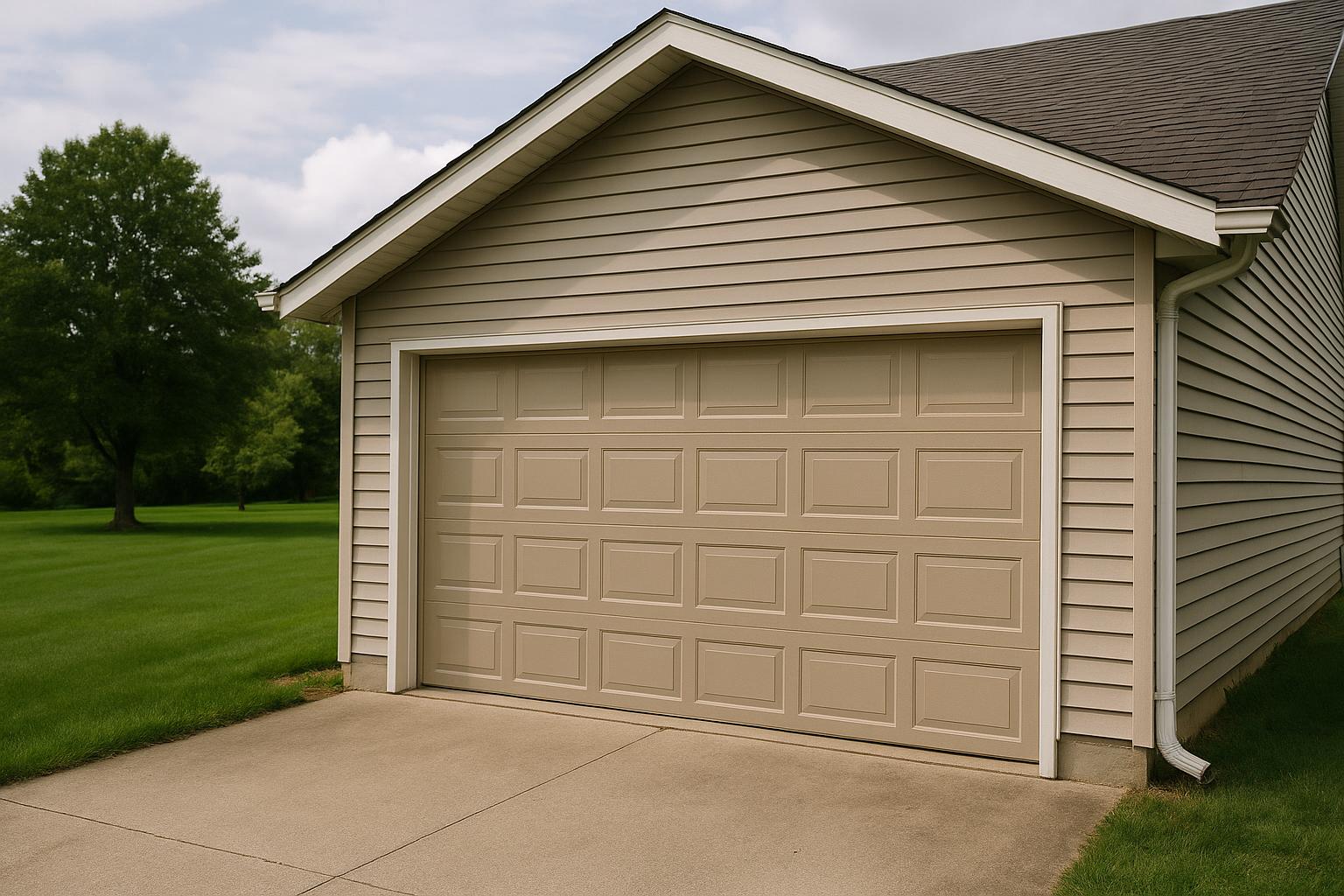
Why Garage Door Insulation Matters More Than You Think
When most homeowners in Elizabethtown think about energy efficiency, they focus on windows, attic insulation, and HVAC systems. But there's one major opening in your home that often gets overlooked — your garage door. As the largest moving part of your house, your garage door plays a bigger role in temperature regulation, noise control, and overall comfort than most people realize.
Whether you use your garage as a workshop, a storage area, or simply a place to park your car, insulating your garage door can make a noticeable difference year-round. Here's what you need to know about garage door insulation, the benefits it provides, and how to decide if it's the right investment for your home.
How an Uninsulated Garage Door Affects Your Home
Most standard single-layer garage doors are made of steel, aluminum, or wood with no insulation between the panels. While they do their job of keeping rain and wind out, they do very little to block heat transfer. In the summer, your garage can feel like an oven. In the winter, cold air seeps through the thin panels and into any rooms that share a wall with the garage.
This matters for several reasons:
- Higher energy bills: If your garage shares a wall with your kitchen, living room, or bedroom, that uninsulated door forces your HVAC system to work harder to maintain a comfortable temperature inside your home.
- Damaged belongings: Extreme heat and cold can damage paint, tools, holiday decorations, and anything else you store in the garage.
- Uncomfortable workspace: If you spend time in your garage working on projects, exercising, or doing laundry, temperature swings make the space nearly unusable during peak summer and winter months.
- Noise from outside: An uninsulated door does almost nothing to block street noise, lawnmowers, or traffic sounds from entering your home.
Here in Elizabethtown, where summers bring heat and humidity and winters can drop well below freezing, these issues are especially relevant. An insulated garage door helps create a buffer zone between the outdoors and the rest of your living space.
The Key Benefits of an Insulated Garage Door
1. Improved Energy Efficiency
An insulated garage door can reduce heat loss through the garage by a significant margin. According to industry studies, an insulated garage door can make the temperature inside your garage 10 to 20 degrees warmer in winter and noticeably cooler in summer compared to an uninsulated one. That means less strain on your furnace and air conditioner, which translates to lower utility bills over time.
2. Increased Durability
Insulated garage doors are typically constructed with two or three layers of material — an outer steel skin, an insulation core, and often an inner steel or vinyl backing. This multi-layer construction makes the door stronger and more resistant to dents, dings, and daily wear and tear. If you have kids who play basketball in the driveway or deal with the occasional windblown branch, an insulated door holds up much better than a single-layer panel.
3. Quieter Operation
The added mass and insulation material inside the door panels dampens vibration and noise. This means the door operates more quietly when opening and closing — a real benefit if you have bedrooms above or adjacent to the garage. Many homeowners are surprised by how much quieter their garage becomes after upgrading to an insulated door.
4. Better Protection for Stored Items
From power tools and sporting equipment to vehicles and seasonal decorations, your garage likely holds thousands of dollars worth of belongings. Insulation helps maintain a more stable environment, protecting items from temperature extremes and the condensation that can lead to rust and mold.
5. Higher Home Value
Garage door replacement consistently ranks as one of the top home improvement projects in terms of return on investment. An insulated door adds curb appeal and functional value, which can be a selling point if you ever decide to list your home.
Types of Garage Door Insulation
There are two main approaches to insulating your garage door: adding insulation to your existing door or replacing it with a factory-insulated model.
Retrofit Insulation Kits
If your current garage door is in good structural condition, you can purchase insulation kits that attach foam board or reflective insulation panels to the inside of each door section. These kits are relatively affordable and can improve the door's R-value — the measure of thermal resistance. However, they add weight to the door, which may require adjusting the spring tension to keep everything balanced and operating safely.
Important note: Adding weight to your garage door without adjusting the springs can cause premature wear on your opener and create a safety hazard. We always recommend having a professional check the spring balance after any insulation retrofit.
Factory-Insulated Garage Doors
For the best performance, a factory-insulated garage door is the way to go. These doors come with insulation built into the panel construction, typically using polystyrene or polyurethane foam. Polyurethane-insulated doors offer higher R-values and greater structural rigidity because the foam bonds directly to the steel skins during manufacturing.
Factory-insulated doors are available in a wide range of styles, from traditional raised-panel designs to modern flush panels and carriage house looks. Whatever the architectural style of your Elizabethtown home, there's an insulated door that will complement it.
What R-Value Do You Need?
R-value measures how well insulation resists heat flow. The higher the number, the better the insulation. Here's a general guide:
- R-0 to R-6: Minimal insulation. Fine if your garage is detached and you don't spend time in it.
- R-8 to R-12: Moderate insulation. A good choice for attached garages in our central Kentucky climate.
- R-13 to R-18+: High insulation. Ideal if you use your garage as a workshop, home gym, or living space, or if you want maximum energy savings.
For most homeowners in the Elizabethtown area with attached garages, an R-value in the R-8 to R-13 range offers a solid balance of performance and cost.
Is It Worth the Investment?
The short answer for most homeowners is yes. The upfront cost of an insulated garage door is higher than a basic single-layer model, but the long-term savings on energy bills, the added durability, and the improved comfort make it a smart investment. If you're already considering a garage door replacement, choosing an insulated model is one of the most cost-effective upgrades you can make.
Even if you're not ready for a full replacement, a retrofit insulation kit can provide meaningful improvement — just make sure the added weight is accounted for with proper spring adjustment.
Let Us Help You Choose the Right Option
At Elizabethtown Garage Door Experts, we help homeowners across Elizabethtown, Radcliff, Vine Grove, and surrounding communities choose the right garage door for their needs and budget. Whether you're interested in upgrading to a factory-insulated door or want to explore retrofit options for your current setup, we're happy to walk you through the choices and provide an honest assessment.
If you have questions about garage door insulation or want to schedule a consultation, give us a call. We'll help you find a solution that keeps your garage — and your home — more comfortable all year long.